European gathering of organizations changing the labor market
In mid-May, Humana Nova HR Manager Karolina Kraljić traveled to Iași, Romania, for the ENSIE network annual assembly and the "Enterprising for Tomorrow" international conference. This is one of the most important European events dedicated to social entrepreneurship and inclusive employment.
These events were a great opportunity to keep collaborating on European initiatives that develop innovative support systems for vulnerable groups and strengthen social businesses as an important part of a sustainable economy.
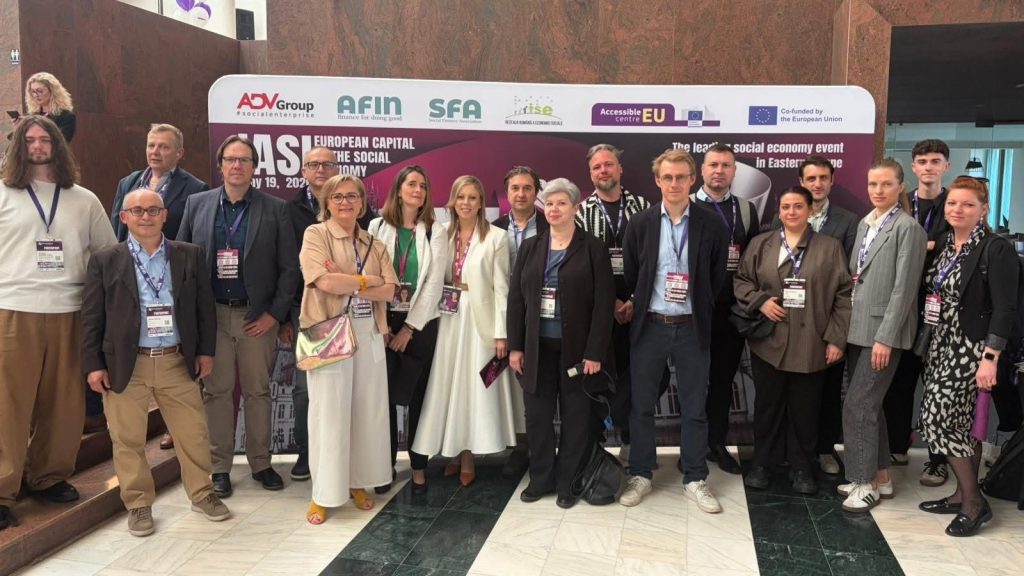
Focus on digitalization, social impact and the future of WISEs
The conference, held on May 19, brought together social economy organizations, social enterprises, policymakers, and experts from across Europe to share knowledge, experiences, and the best practices of sustainable and inclusive economic models.
Key topics included digitalization, socially responsible public procurement, impact investing, inclusive employment, and the future of WISEs—companies that help people in disadvantaged positions reenter the workforce.
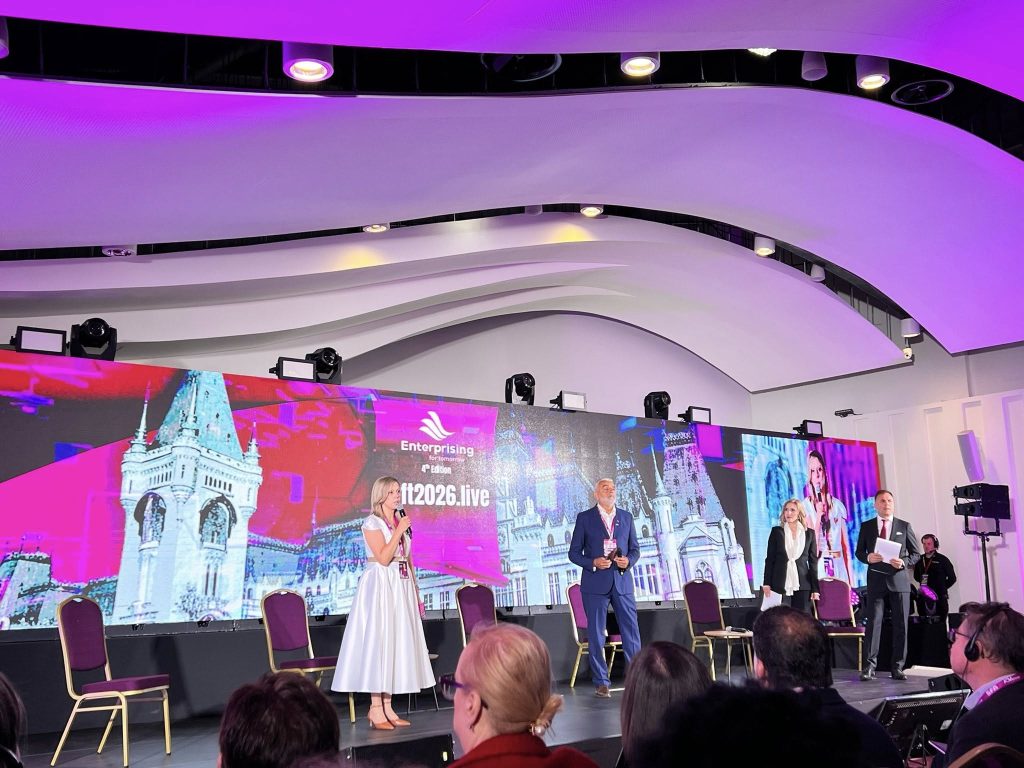
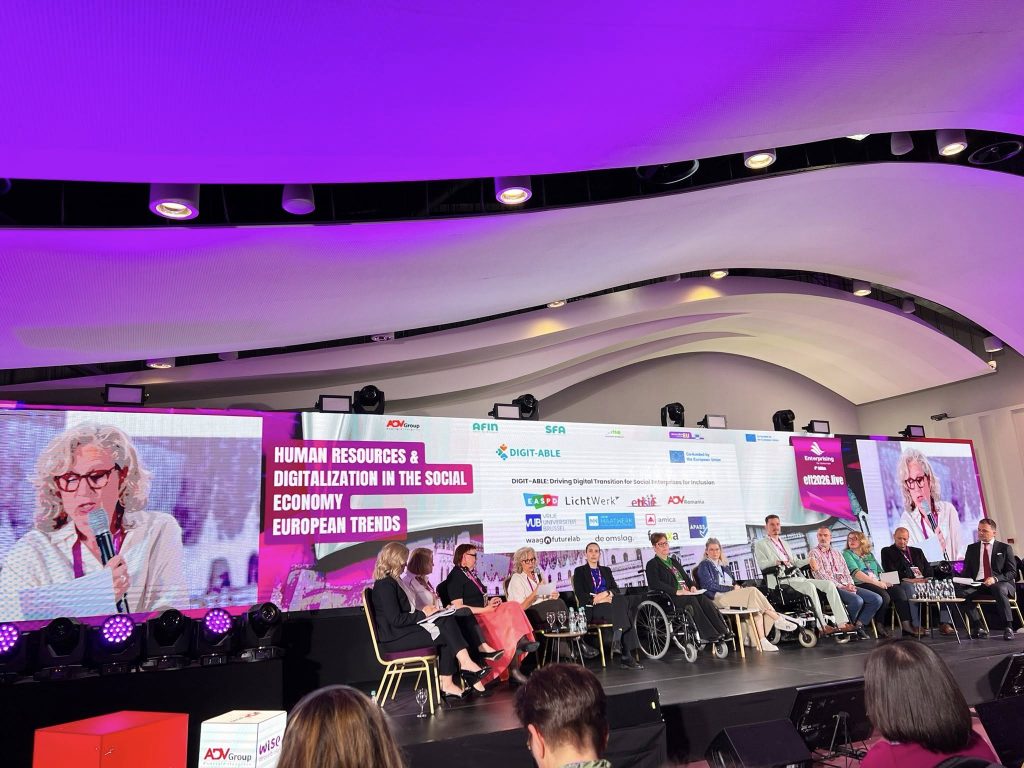
Sharing experiences and boosting European cooperation
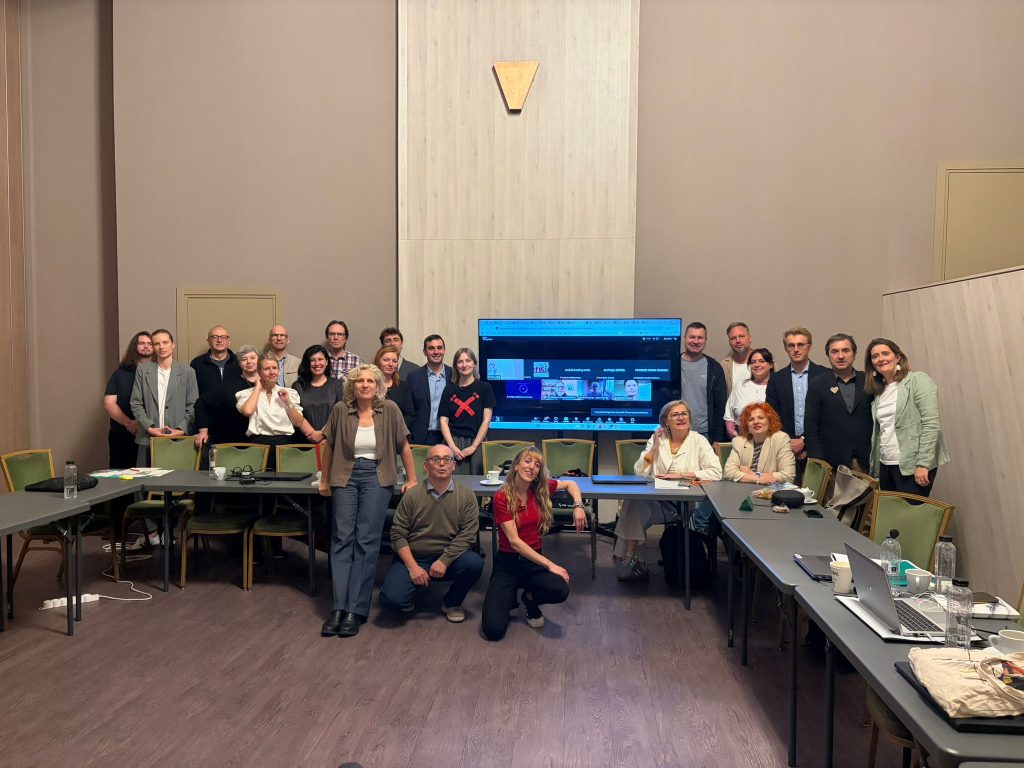
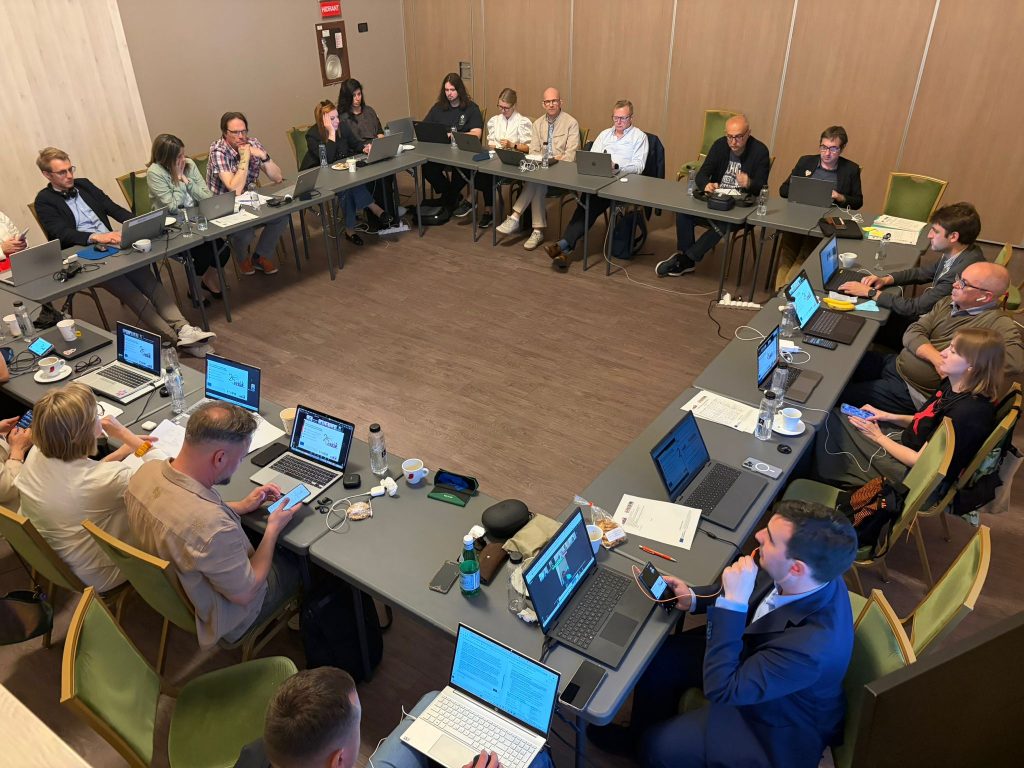
At the annual meeting, ENSIE network members discussed current European policies and the everyday challenges faced by social enterprises across the continent. The Future Development Agency representative shared how social businesses are thriving in Ukraine despite the war. Miia Rossi-Gray from the European Commission outlined current European policy priorities for employment, social rights, and inclusion.
Attendees also discussed shared priorities, network growth, and strengthening the WISE model across Europe. ENSIE emphasized the importance of cooperation in creating fair and accessible opportunities for those furthest from the job market. The network welcomed two new members: Dincat from Spain and the Resource HUB platform.
Social entrepreneurship in action
Participants visited successful social businesses and innovation centers in Romania, including the Digital Innovation Zone, a regional hub that creates advanced tech solutions and facilitates digital transformation.
They also stopped by the ADV Romania Group—a group of social enterprises operating in areas like tourism, design, hospitality, and admin services. Their business model is built on helping socially excluded people to find work through real economic activities.
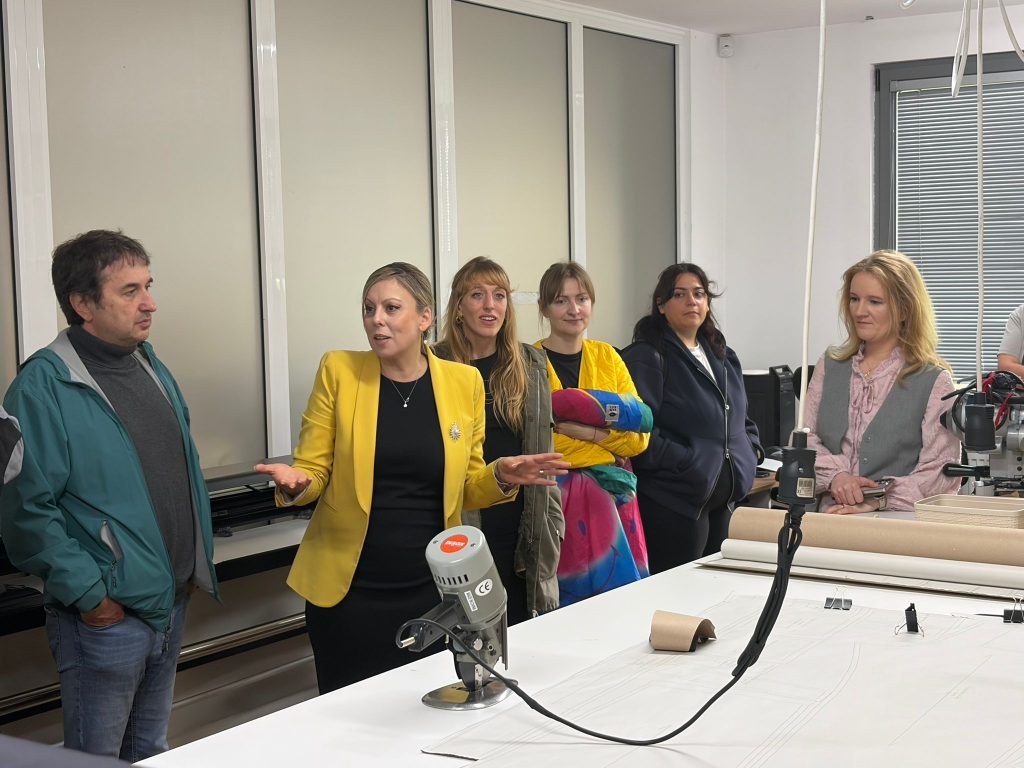
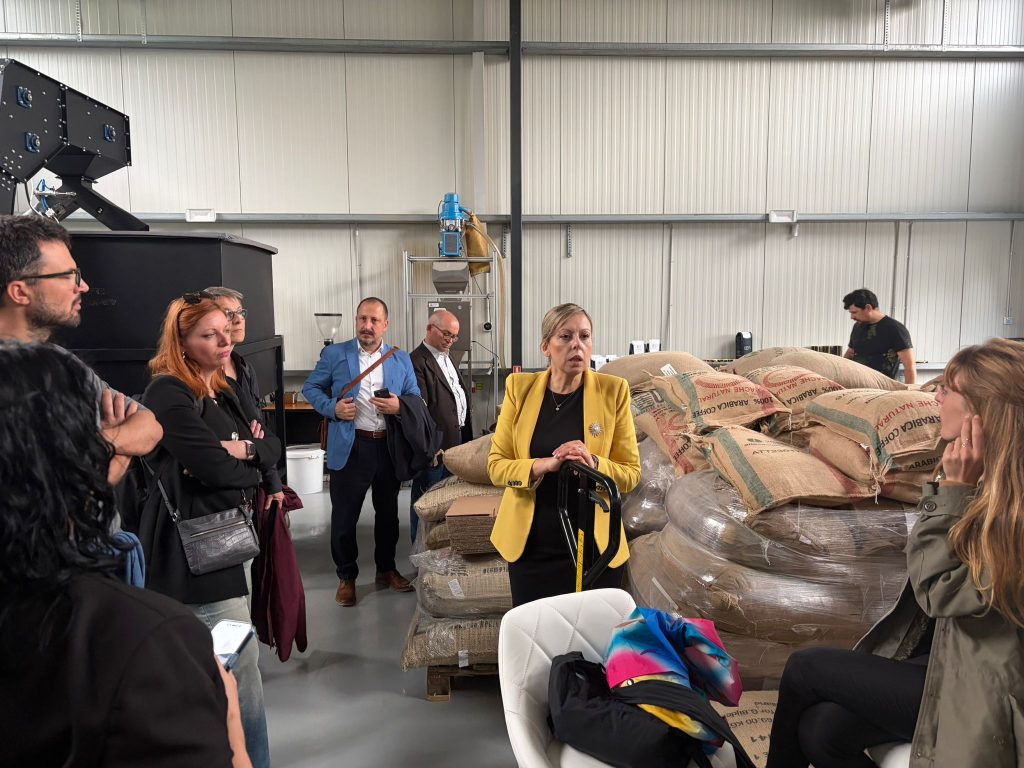
During workshops and discussions on social enterprise development, business sustainability models, and creating social impact, Kraljić recognized many similarities between Humana Nova and organizations within the ADV group. This only confirms the importance of international knowledge exchange and cooperation.
The social economy isn’t an alternative—it’s the future
Participation in the event opened up new opportunities for cooperation, international partnerships, and experience exchange with organizations that, like Humana Nova, connect social impact, sustainability, and economic activity.
By staying active in such European collaborations, Humana Nova continues to contribute to the development of the social economy, proving that social entrepreneurship is not a market alternative, but a vital part of a sustainable, supportive, and inclusive future for Europe.