Partners from ten European countries present best practices and innovative solutions for a more sustainable economy
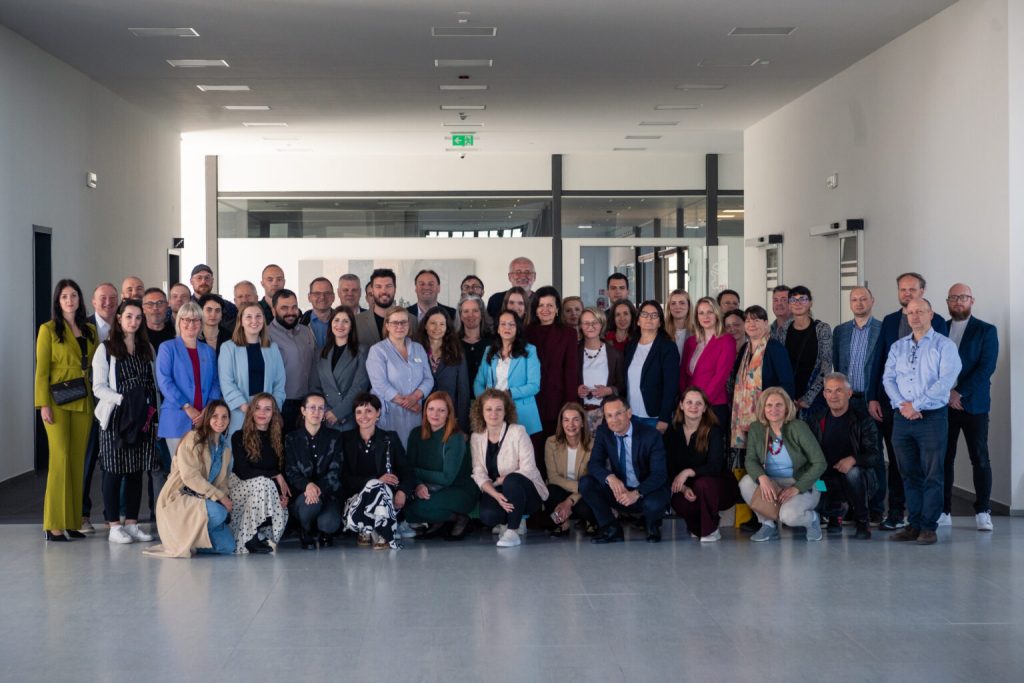
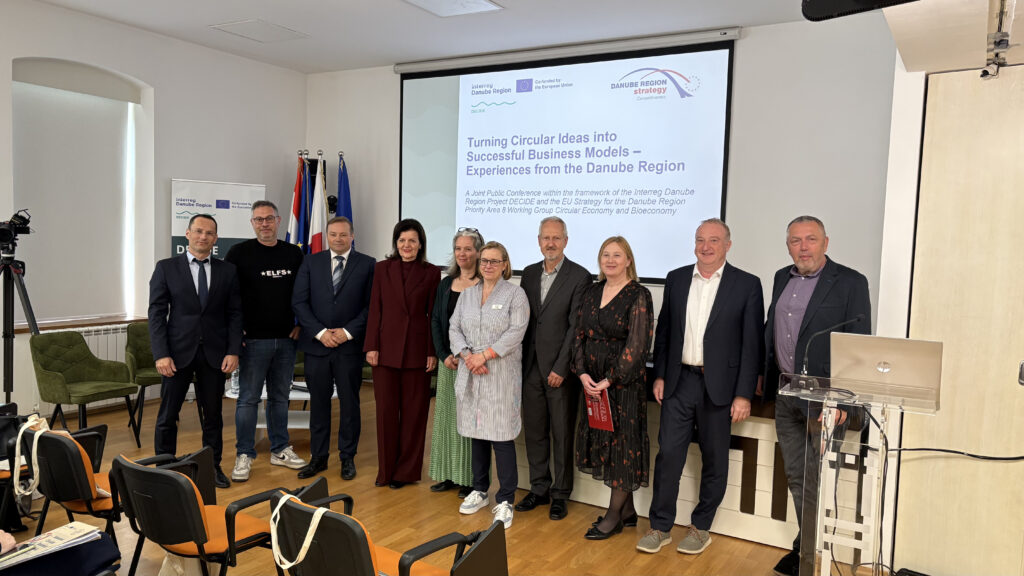
On May 13, the Technology Innovation Centre Međimurje in Čakovec hosted the final conference of the European project DECIDE. The event showcased the results of years of international teamwork focused on developing a circular economy and sustainable business models. The conference brought together over 70 participants from ten European countries, including representatives from development agencies, academia, companies, and project organizations. Another 20 participants joined online.
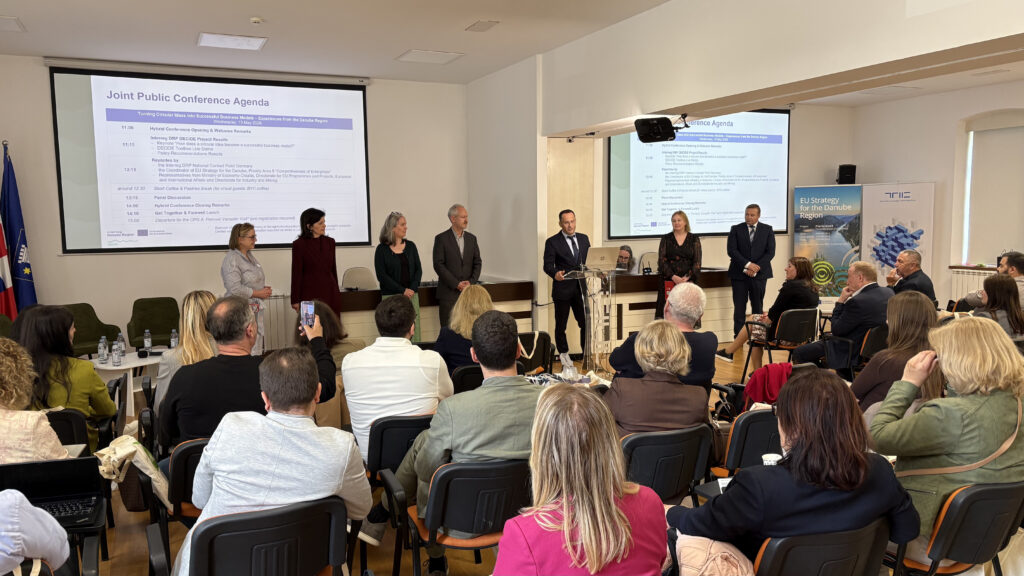
At the event, partners shared successful examples and circular economy tools developed during the project. They put a special emphasis on the textile industry, process digitalization, and sustainable waste management. Attendees talked about the challenges and opportunities of growing a circular economy across Europe, stressing how vital international cooperation is for sharing knowledge, experiences and innovation.
The final conference was organized by the Croatian project partners: social enterprise Humana Nova, Faculty of Organization and Informatics, and Technology Innovation Centre Međimurje, alongside the Danube Region Strategy Working Group for Circular Economy and Bioeconomy.
Partner meeting and a tour of Humana Nova’s production facility
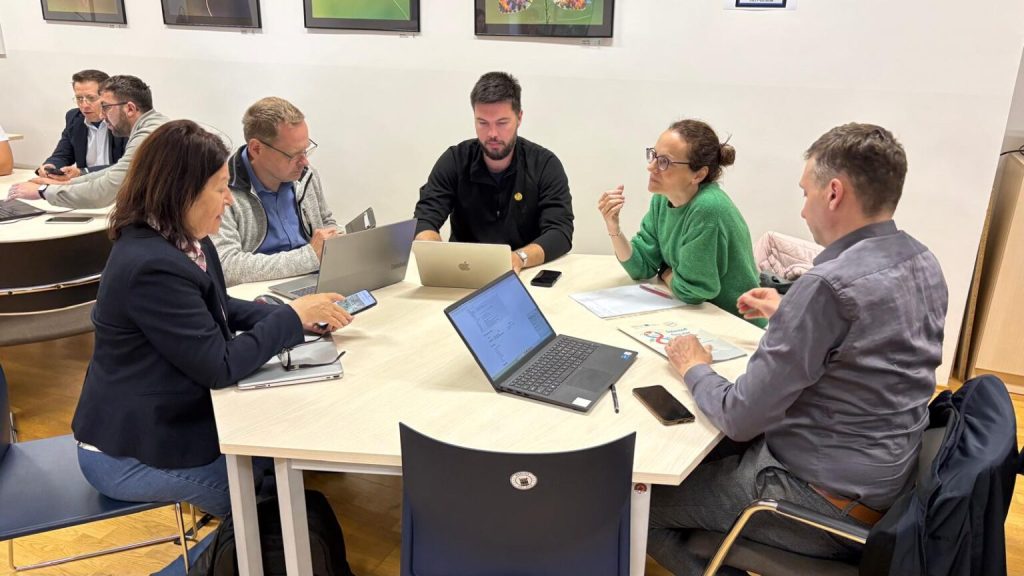
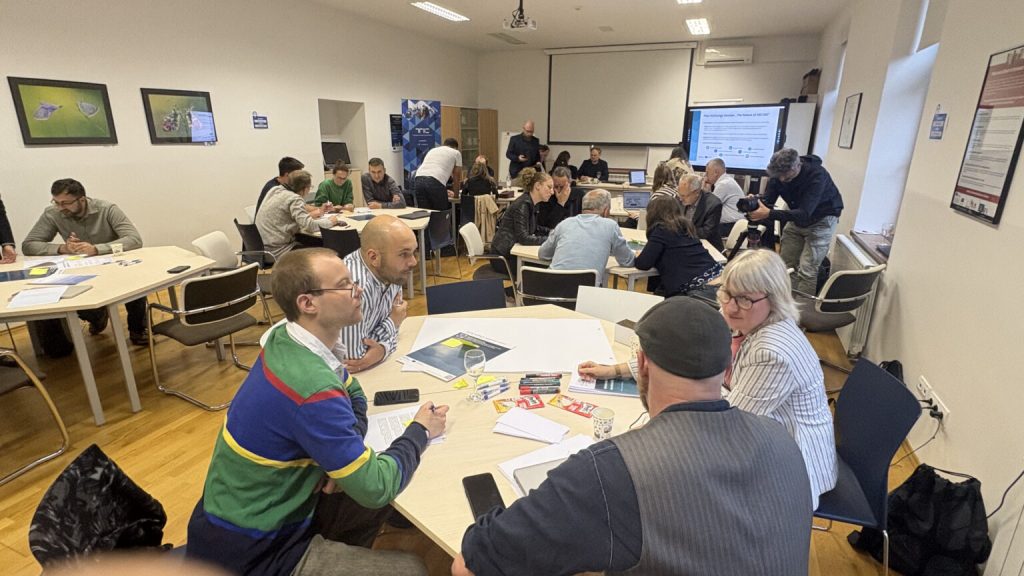
The conference was preceded by a partner meeting on May 12, though activities actually started on May 11 when project partners arrived in Međimurje. To kick things off, guests toured Humana Nova's production facility. This gave partners a closer look at the work processes, production setup, and textile reuse models that Humana Nova builds through its social entrepreneurship model.
During the tour, participants saw first-hand what textile waste management, the sorting process, and textile reuse look like in practice. They also talked about the challenges that the sector faces every day and how different countries and organizations involved in the project apply circular economy principles.
The DECIDE Project: An example of successful international cooperation
The project runs from January 1, 2024, to June 1, 2026. Its goal is to support small and medium-sized enterprises (SMEs) and support institutions as they transition to a circular economy. It brings together 16 partners from 10 European countries under the EU Strategy for the Danube Region (EUSDR), where it is recognized as a key project for building a sustainable and competitive economy.
The project leader is the Digitalization Center from Böblingen, Germany, and the total value of the project is €2.8 million. Project activities include the creation of practical methods, digital tools, training sessions, and pilot projects for textiles, batteries, packaging, food, and smart cities.
The project leader is the Digitalization Center from Böblingen, Germany, and the total value of the project is €2.8 million. Project activities include the creation of practical methods, digital tools, training sessions, and pilot projects for textiles, batteries, packaging, food, and smart cities.
As part of these efforts, the Faculty of Organization and Informatics and Humana Nova held several workshops on how digital tech can boost the circular economy. These workshops focused on sharing knowledge and creating innovative approaches to help SMEs adapt to the green transition and new European market demands.
A Memorandum of Understanding to keep the momentum going
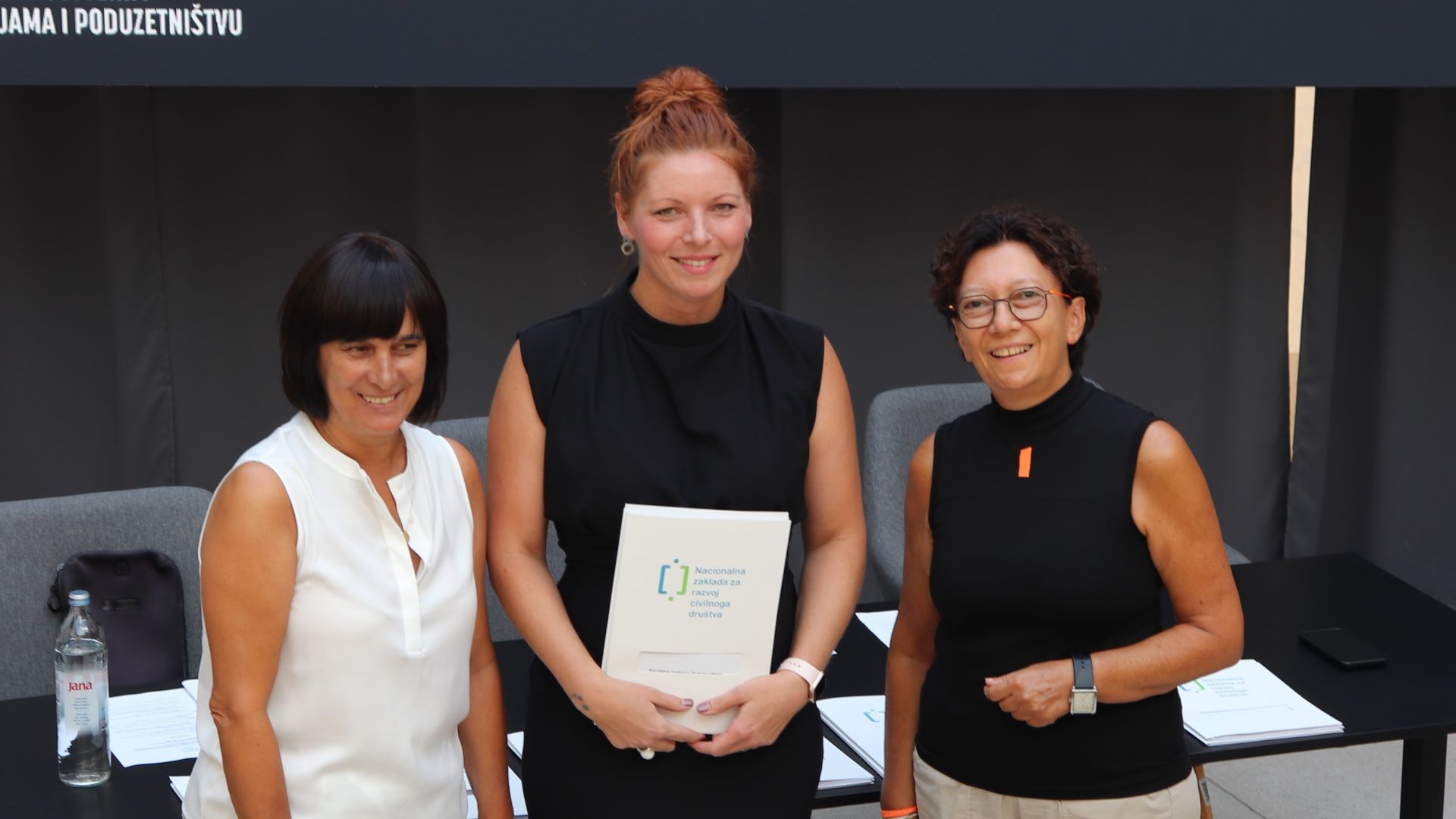
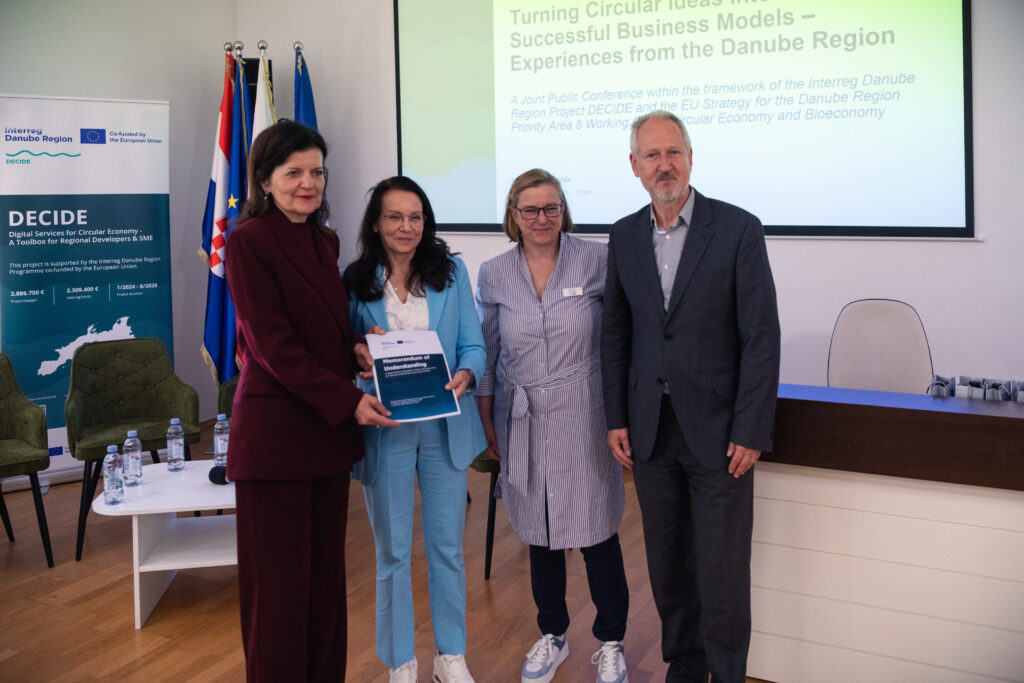
One of the highlights of the final conference was the handing over of a Memorandum of Understanding. With this document, the partners committed to continue supporting sustainability and further developing the results of the DECIDE project even after it officially ends.
Severine Dommer, the DECIDE project manager, handed the memorandum to Karmen Maričić and Carmen Hawkins, coordinators for Priority Area 8 of the EUSDR. This move highlighted the importance of keeping international cooperation alive and further developing initiatives aimed at the circular economy and sustainable development.
Panel discussion tackles sustainable business models
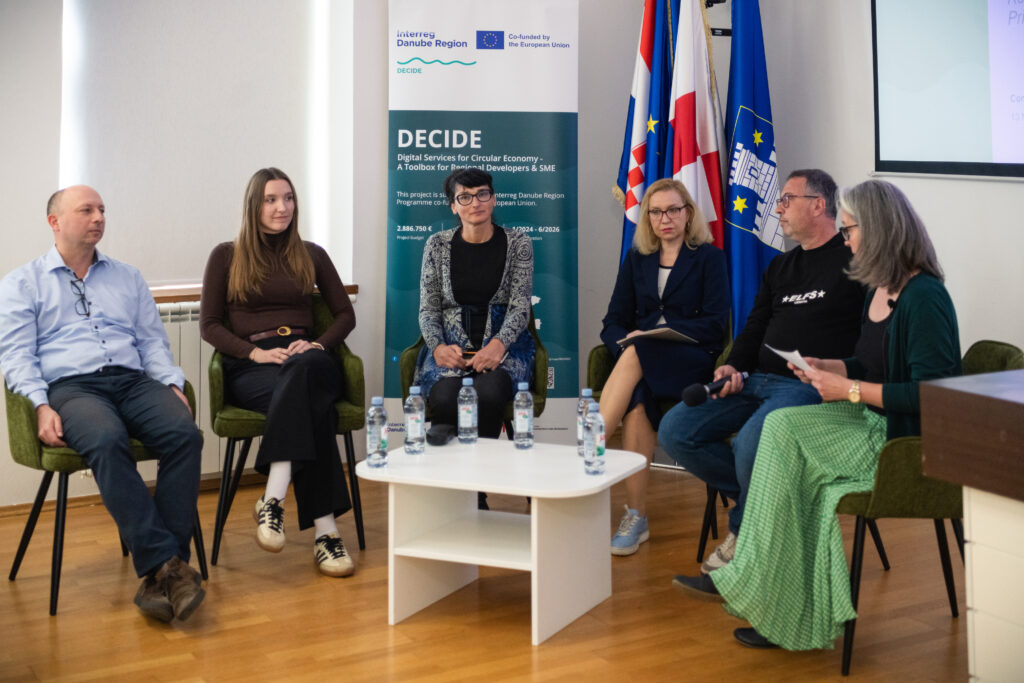
Representatives from Croatia, Slovenia, Bosnia and Herzegovina, and Hungary joined the panel to share concrete examples of circular economy growth, the challenges they face, and ways to boost regional and international cooperation.
Insights and best practices were shared by Ivan Božić (Manager of Humana Nova), Amela Ikić Suljagić (Sarajevo Regional Development Agency), Nikolina Babić (Chamber of Commerce and Industry of Slovenia), Majda Potokar (Technology Park Ljubljana) and Bendo Zoltan (South Transdanubian Regional Development Agency).
The debate opened up questions about building sustainable business models, the importance of digitalization and innovation, and the need for closer ties between the public, private, and civil sectors to make green policies and the circular economy work.
Visiting best practices in Međimurje and Varaždin
On top of the conference sessions, participants visited several local examples of the circular economy and sustainable business while staying in Međimurje.
Besides Humana Nova, they visited OPG Petrović in nearby Varaždin, a great example of a circular economy in agriculture that produces pumpkins and pumpkin products using sustainable local resources.
They also enjoyed the hilly side of Međimurje, visiting Mađerkin Breg and Terbotz. This informal gathering offered a relaxed space to share stories, bond, and talk about future project partnerships.
A message for the future of the circular economy
The final DECIDE project conference proved once again how important international cooperation is in building sustainable solutions and strengthening the circular economy in Europe. It showed us that when academia, businesses, and civil society organizations work together, they can create more efficient and sustainable ways to do business.
Participants agreed that the tools, experiences, and partnerships forged through the DECIDE project are a great foundation for the further development of the circular economy in the region and beyond.