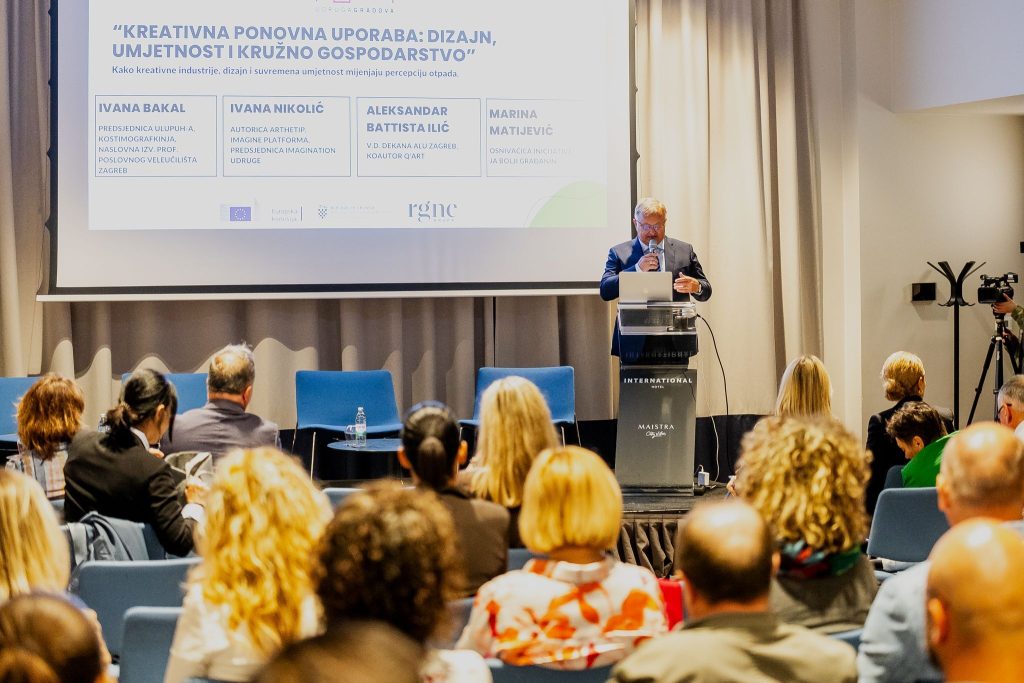
While Croatia is expected to fully implement the Extended Producer Responsibility (ERP) system for textiles and footwear by 2028, many cities and municipalities still do not have a developed separate textile collection system. This was the big takeaway from a major conference on the future of textile waste, hosted by the Association of Cities in the Republic of Croatia on May 11 in Zagreb.
The conference tackled some of the biggest questions about how Croatia can go green, and what local governments need to prepare for in the coming years.
Cities and municipalities need to start planning now
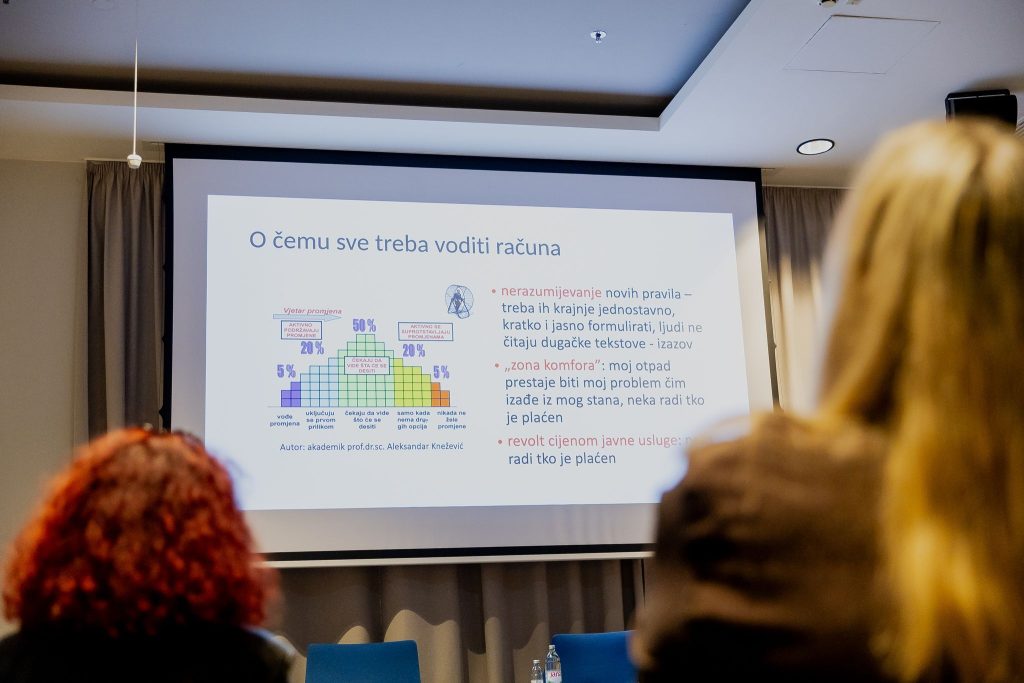
How to organize an efficient separate collection of textile waste? How to establish the necessary infrastructure? How EPR systems for textiles work, how to educate citizens and how to secure financing for circular economy projects? Speakers said that these questions will be crucial for local governments in the coming years, so cities and municipalities should already plan concrete steps and implementation models.
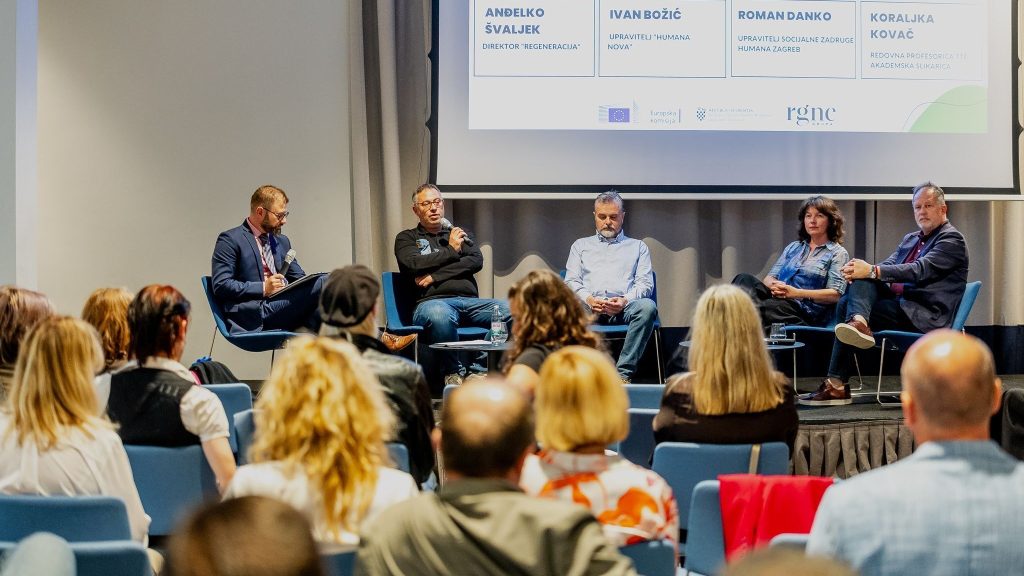
Humana Nova CEO Ivan Božić joined the panel on infrastructure, collection, and recycling, highlighting just how important social enterprises are to managing textile waste.
-Textile waste is becoming one of the key issues of the green transition. But it is also a massive opportunity for the development of local communities, the circular economy and social entrepreneurship, said Božić, who was named Europe’s second-best social enterprise manager for work integration in late 2020.
Change starts before the bin: Products should be designed for durability and recycling
Representatives from cities, government ministries, the European Commission, the recycling industry, the social economy, science and the creative sector sent a clear message: the real solution lies in prevention, education, smarter product design, and joint action by all stakeholders, not penalties.
The transition actually starts long before we reach for the recycling bin. It begins with how we design, buy, use, and think about clothing. When products are designed to last and easy to recycle, keeping them in the loop is simple. On the other hand, poor design ruins sustainability from the very start.
The conference was supported by the Ministry of Environmental Protection and Green Transition, alongside the European Commission Representation in Croatia. The goal was to bring together local government leaders, utility companies, decision-makers, experts, industry representatives, recycling companies and other stakeholders to discuss the legal framework, infrastructure challenges, financing models and best practices from Croatia and across Europe.
Ultimately, Humana Nov stands as a prime example of how textiles can get a second life—all while creating new jobs and making a real social impact.
About the conference: The future of textile waste: Textile waste and the responsibility of local governments