For over a hundred years, the world has been celebrating International Day of Cooperatives at the beginning of July. Although this model of economic and social association is still not very well understood and little used in Croatia, Humana Nova has grown as a social cooperative to more than 60 employees and almost 2.5 million euros in revenue.
-A cooperative is not just a legal form or way of doing business. A cooperative is about people who work together, support each other, celebrate small and big moments and build a community. Perhaps it is no coincidence that the word cooperative (zadruga) can be read as "for others" (za druga). This is precisely its greatest value - being there for each other.
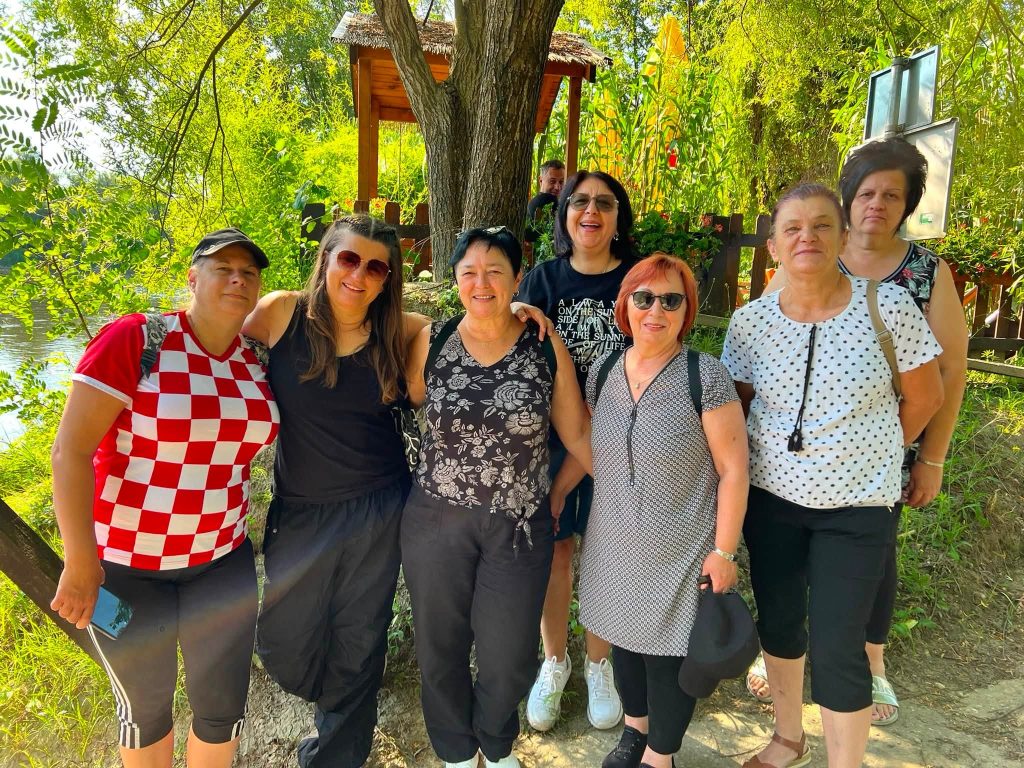
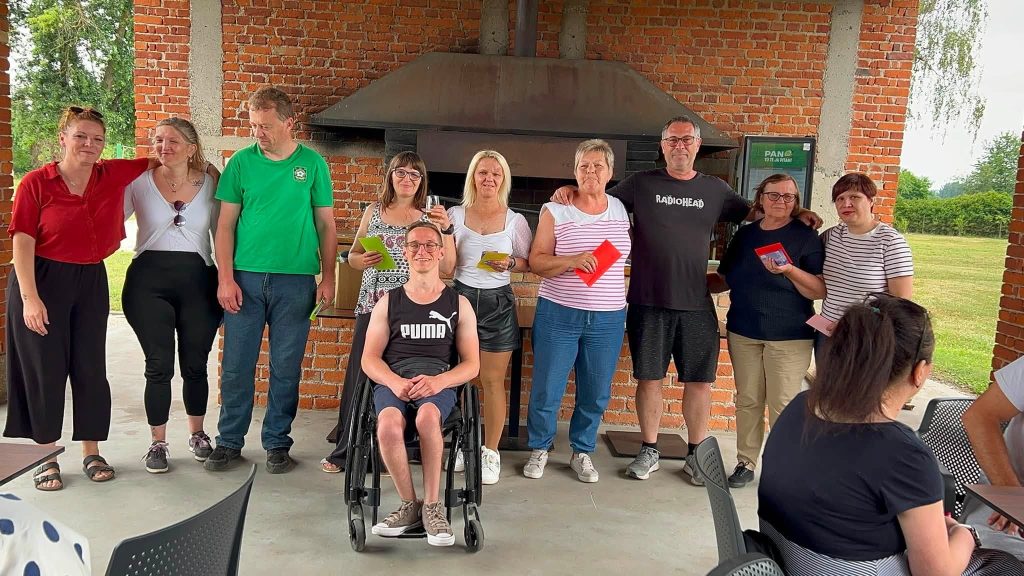
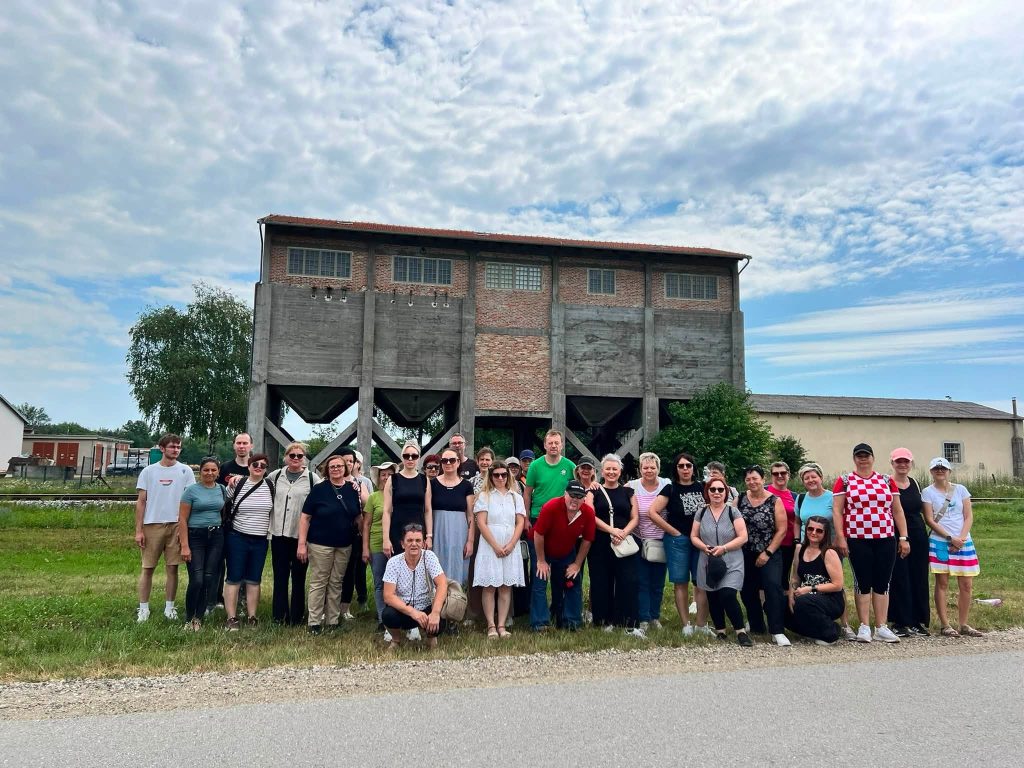
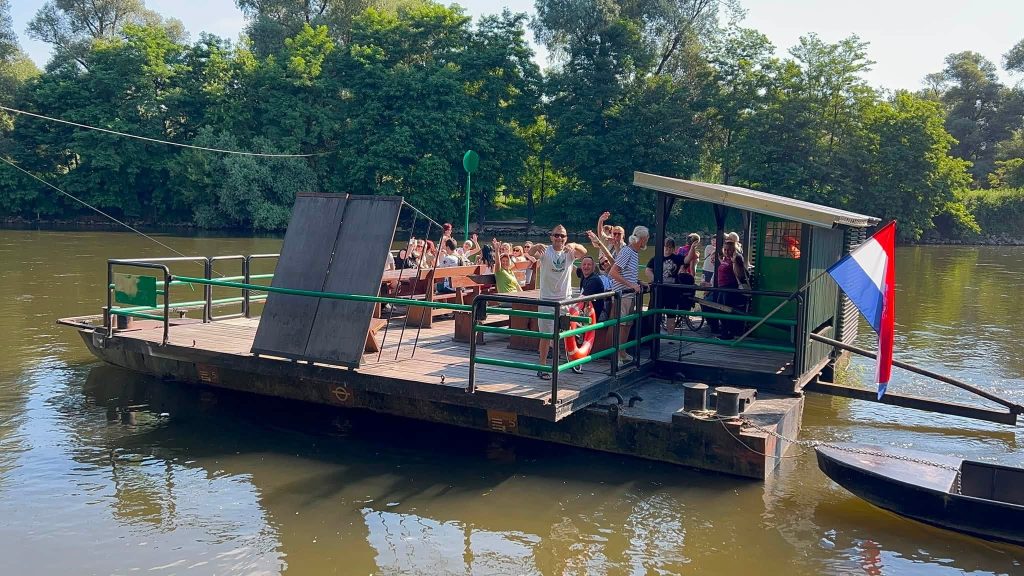
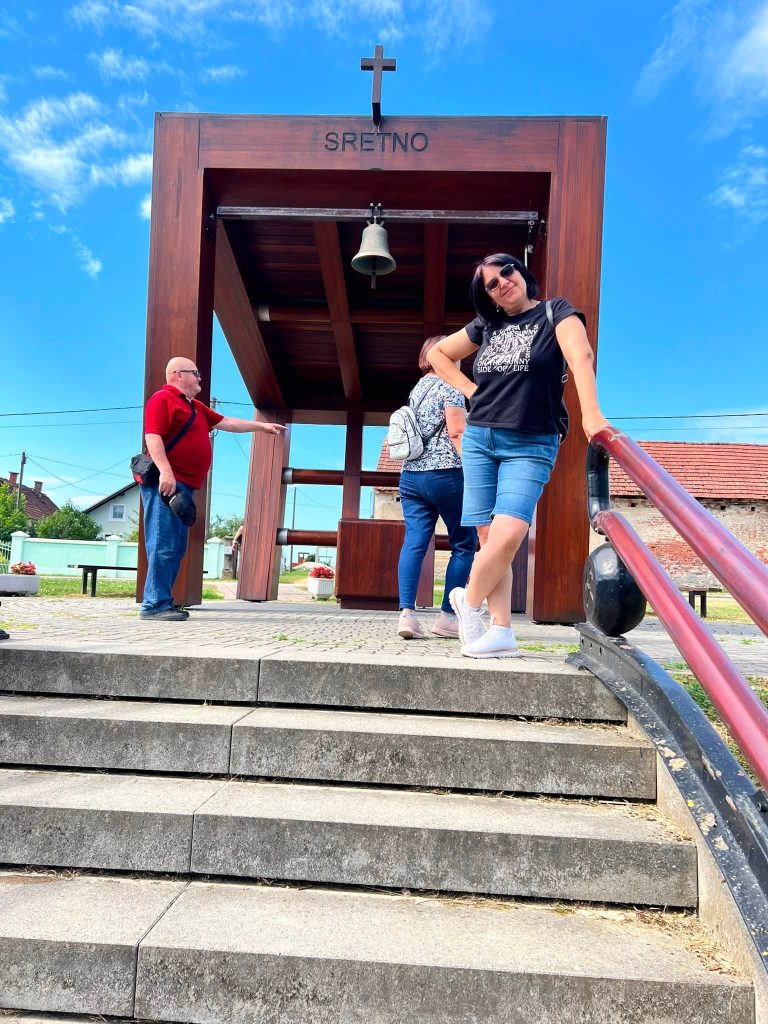
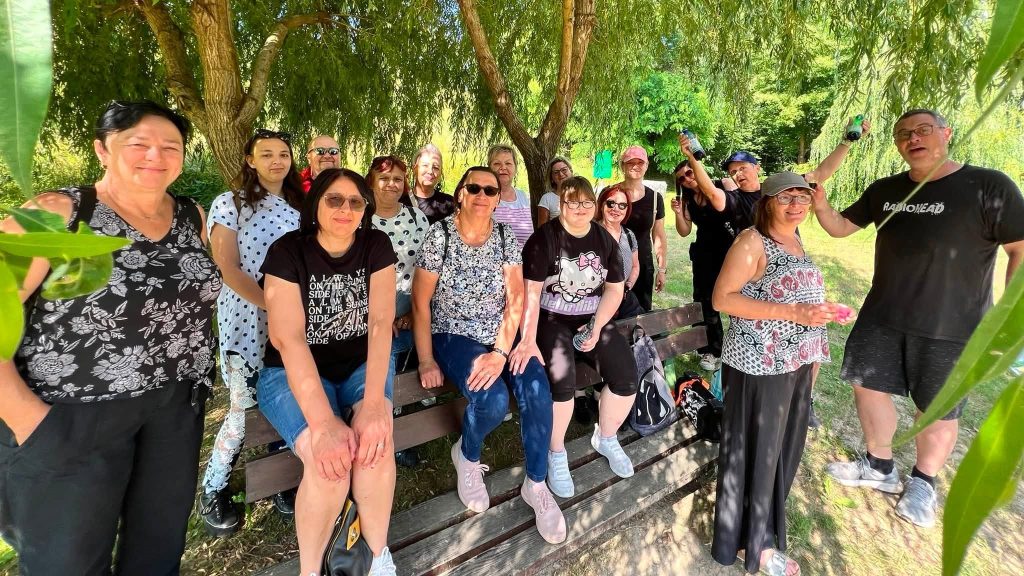
This is part of the message from our gathering on the occasion of the International Day of Cooperatives. We took a ferry ride in Mursko Središće, walked along the city promenade, rang the bell for good luck on the bell tower of St. Barbara, and celebrated the birthdays of our employees. We firmly believe that through the cooperative model, both economic results and positive changes in society can be achieved.
The importance of cooperatives in the European Union is shown by the fact that in 2015, every fourth EU resident was a member of a cooperative (according to Broz and Švaljek, 2019). In the Netherlands, almost 70 percent of agricultural income comes from cooperatives, and they also have a significant share in agricultural income in Finland, France, Italy and other countries.
In Central and Eastern Europe, cooperatives are much less common, especially in former socialist countries, which had an average of 63 cooperative members per 1,000 residents, while the “old” EU members had 350 cooperative members per 1,000 residents (Broz and Švaljek, 2019).
Take the Dutch cooperative bank Rabobank: it has no shareholders, but is owned by its 2.4 million cooperative members. It has 48 thousand employees, more than 9 million clients and a 125-year business tradition. Last year, it generated around 5 million euros in net profit. In the Netherlands, it is also the market leader in home loans.
The Mondragon Corporation, a corporation and federation of worker cooperatives, is among the ten largest corporations in Spain and the biggest business group in the Basque Country, where it is based. It operates in finance, manufacturing, retail and education. In 2024, it employed around 30,000 people in the Basque Country, 29,000 in the rest of Spain and around 10,000 abroad.
The Zadar craft brewery Brlog employs a dozen people and has more than 120 cooperative members. They have invested several hundred thousand euros in the business so far. In Croatia, agricultural, veterans', fishing and student cooperatives are the main active types. Compared to Western Europe, they still bring relatively little profit. In 2016, for example, there were only 5 cooperative members per 1,000 residents in Croatia. (Broz and Švaljek, 2019)
The establishment and functioning of cooperatives in Croatia is regulated by the Cooperatives Act.
A cooperative is registered with the commercial court, which gives it a tax ID (OIB) and legal capacity. It is an association of people rather than capital, which is an important difference compared to commercial companies such as LLC (d.o.o.) that rely on invested money.
A cooperative can be founded by at least seven founders, either individuals or companies. They contribute to the cooperative in money, goods, or rights. A cooperative is primarily based on the unity and work of its members. Each member usually has one vote, regardless of membership stake. Any profit generated by the business is reinvested into further development of the cooperative and its members, in accordance with the principles of equality, solidarity, and democracy.