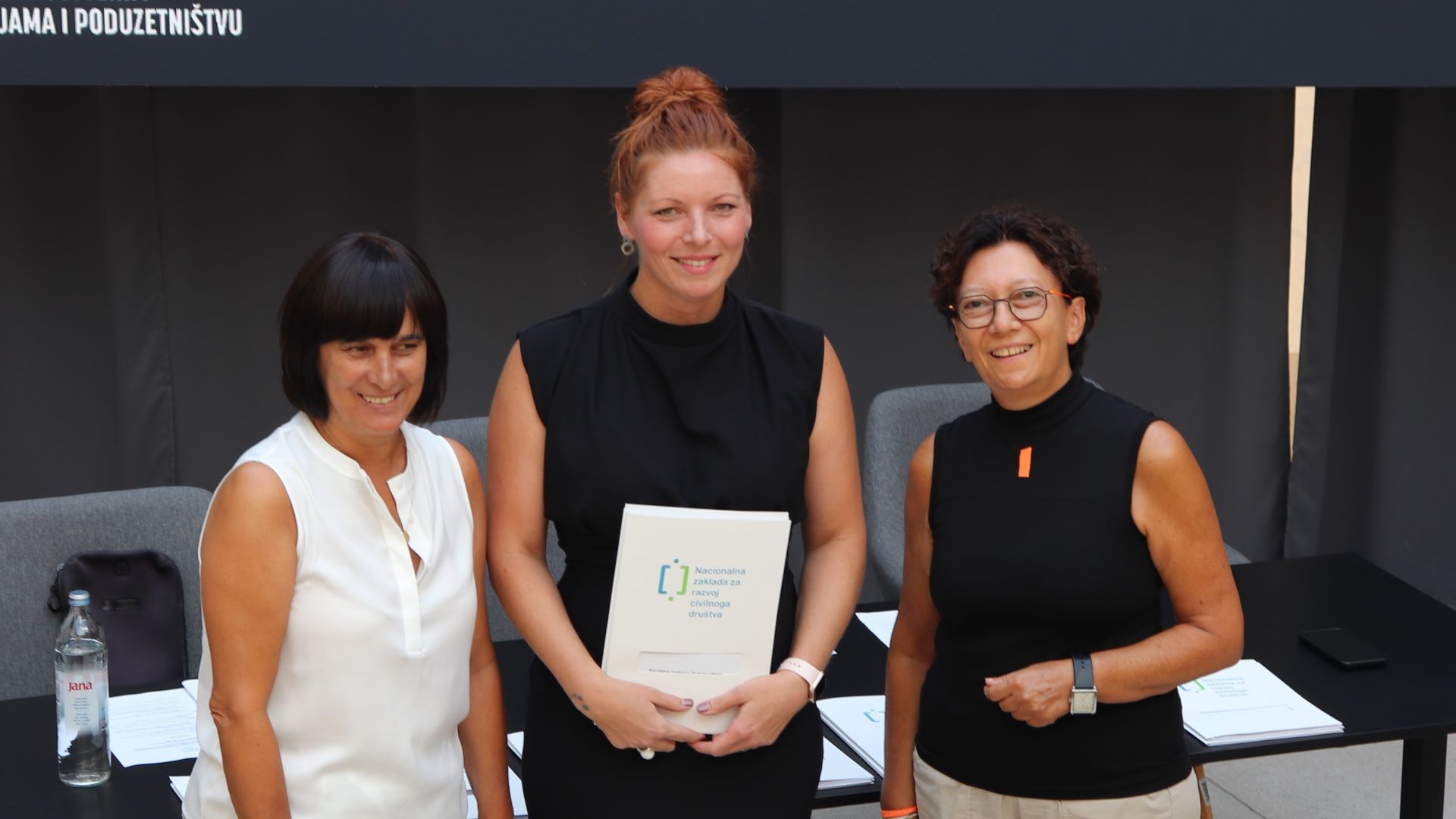
We are surrounded by more and more textiles of increasingly poor quality, which is the biggest obstacle to their reuse, said Humana Nova HR Manager Karolina Kraljić at a recent conference on waste management in Croatia.
The panel also included Prof. Dr. Sc. Anet Režek Jambrak from the Faculty of Food Technology and Biotechnology and Zvonimir Majić from the Environmental Protection and Energy Efficiency Fund (EPEEF). Among the speakers and hosts of the conference were Minister of Environmental Protection and Green Transition Marija Vučković, Editor-in-Chief of Poslovni dnevnik Mladen Miletić, and other experts.
Low-quality textile is the biggest obstacle to the circular economy
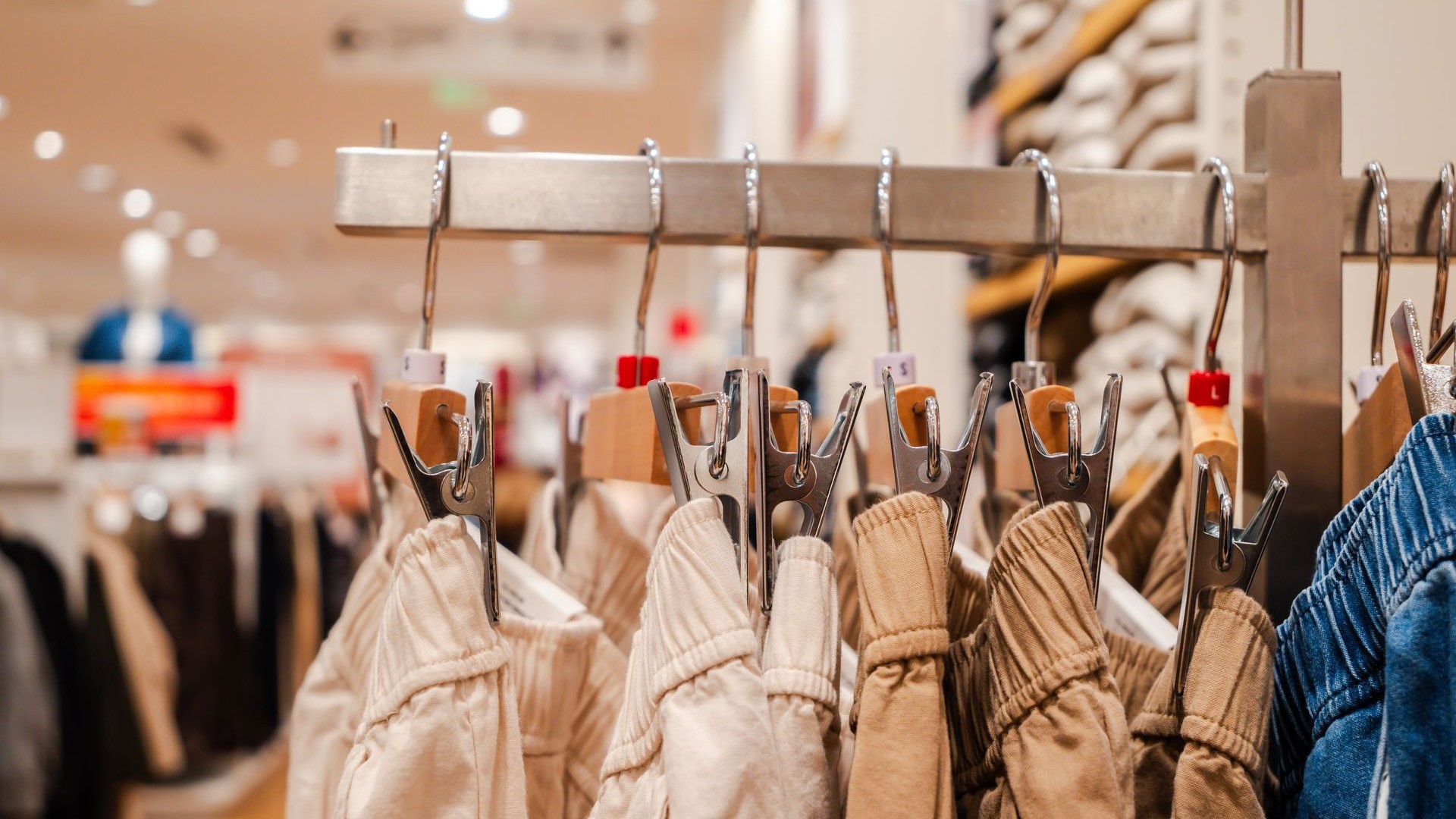
Although separate textile collection became mandatory across the EU at the start of 2025, Kraljić spoke about a different reality. According to Kraljić, the system isn't functioning optimally yet. The reason for this is partly because people still don't have enough information on how to separate waste properly. Furthermore, fast fashion companies produce too many clothes driven by profit margins, resulting in very low quality. This is best seen when the textile waste enters reprocessing—it simply cannot be used again.
Kraljić emphasized that low-quality material is the biggest obstacle to the circular economy and that this dynamic needs to be changed. This begins through a more responsible approach to textile production so that clothes last longer.

To change things, we need both education and innovative reuse models. At Humana Nova, we manage this sustainable loop by returning well-preserved clothing to use through our second-hand shop. A small part of the clothing is redesigned into new products, while all unusable textiles are sent to our partner, Regeneracija non-wovens, to be recycled. Humana Nova also recently tested an innovative textile gasification system in partnership with DOK-ING.
Beyond handling textile waste, we dedicate significant effort to educating children, citizens, and companies about the circular economy and how to use textiles responsibly.
Addressing broader waste challenges
The panel also discussed food, biowaste, plastic and e-waste. As most food waste is generated in our homes, it requires a change in consumer habits. To meet EU goals by 2030 in reducing this type of waste, Professor Režek Jambrak believes that we should act at all levels—from production and processing, through product design and packaging, to proper storage and consumer education.
Zvonimir Majić added that while the 20-year-old system for managing specific waste works well, it requires modernized facilities and capacity upgrades. He noted that some local communities do not want waste sites near them, and some counties lack the necessary permits to manage specific waste types. Majić also pointed out that stricter EU goals and regulations are coming soon. Consequently, people will have to separate waste much more than they do now.
For fifteen years, Humana Nova has been a European example of good practice in the circular economy. Our solutions are not only ecological, but also deeply social, since the enterprise employs people with disabilities and other vulnerable groups.
This year's Waste Management conference, organized by Poslovni dnevnik, dealt with the growing pressures in waste management: achieving EU recycling targets, reducing landfill, lack of infrastructure, and the growing volume of specific types of waste such as plastic, food and textiles.
Key sectoral problems concern plastics and electronic waste, biowaste and financing infrastructure. In the European Union, these challenges are particularly acute due to a series of regulatory deadlines running until 2035, stated the organizers of the conference, held on April 22 at the Zonar Hotel in Zagreb.